Measure Yourself Before You Shop Online
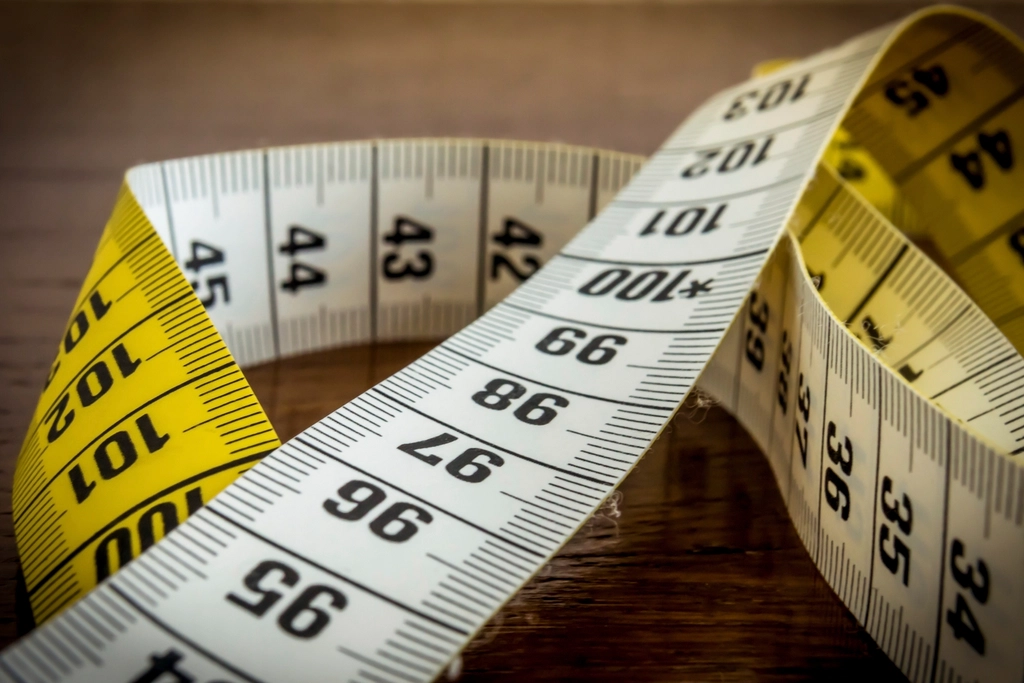
Five minutes with a soft tape measure saves a lot of returns. Here’s how to measure accurately and what to do with the numbers.
Remember this
- Measure over thin clothing or a well-fitting bra, with the tape level and snug but not tight.
- Bust, waist and hips are the three numbers most size charts use.
- If you fall between sizes, size for the part of the garment that can’t be adjusted.
- Compare your measurements with the garment’s own measurements when a store lists them.
Size labels vary from brand to brand, but a tape measure doesn’t. Your own measurements are the most reliable thing you can bring to online shopping.
What you need
- a soft fabric or plastic tape measure, not a metal one
- a mirror
- thin clothing, or the bra you usually wear
- a note on your phone for the numbers
The core measurements
| Measurement | Where to measure |
|---|---|
| Bust | Around the fullest part of your chest, tape level across your back |
| Waist | Around your natural waist, usually the narrowest point above your belly button |
| Hips | Around the fullest part of your hips and seat, feet together |
| Inseam | From the crotch down the inside of your leg to where you want trousers to end |
Stand relaxed, breathe normally and keep the tape snug without pulling. Check in the mirror that it’s level all the way around.
Try this
Measure twice and use the larger figure if the two readings differ. A tape that sags at the back is the most common reason for a too-small result.
Reading the size chart
Find each of your measurements on the store’s own chart, not a general one, since sizes differ between brands. Then:
- If all three point to the same size, you’re set.
- If they point to different sizes, decide which part of the garment matters most. For a fitted dress, the bust often decides; for jeans, the hips. A waist can usually be taken in by a tailor more easily than a garment can be let out.
- Read the fit notes, such as “runs small” or “relaxed fit,” and reviews from people who mention their own height and size.
The garment’s own measurements
Some stores list the measurements of the clothing itself, like the width across the chest or the length from shoulder to hem. Lay a similar item you own flat, measure it the same way and compare. It’s the closest thing to trying it on.
Sizes behave differently across brands for good reasons, explained in why your size changes from store to store. And if a piece is almost right, a few alterations can finish the job.
You asked
Q: How often should I re-measure?
A: Every few months, or whenever clothes start fitting differently. Bodies change, and old numbers lead to wrong sizes.
Q: Do I need someone to help?
A: It helps for the inseam and for keeping the tape level around your back, but you can do it alone in front of a mirror.
Q: Inches or centimeters?
A: Use whatever the size chart uses. Many tape measures show both, so write down both to save converting later.
This guide is general shopping information, not legal, tax or medical advice. Store policies, sizes and rules vary, so check the retailer’s details and official sources such as FTC.gov and IRS.gov.