Fewer, Better Clothes and Less Textile Waste
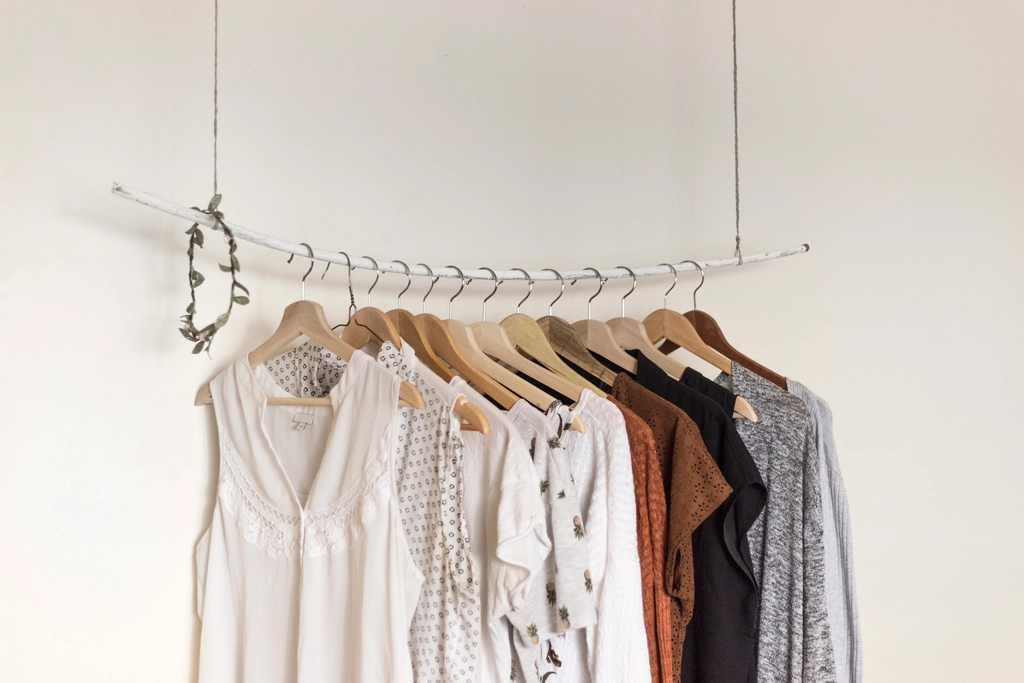
Most textiles Americans throw away end up in landfills. The most effective fixes start long before anything reaches the trash.
Remember this
- Americans discarded about 17 million tons of textiles in 2018, according to the EPA.
- Only about 14.7% of those textiles were recycled; about 11.3 million tons went to landfill.
- Buying fewer, better-made pieces and wearing them longer does the most good.
- Repairing, swapping, reselling and donating keep clothes in use.
Clothes are easy to buy and easy to forget. The numbers show what happens next.
The scale of the problem
According to the U.S. Environmental Protection Agency, Americans generated about 17 million tons of textile waste in 2018, around 5.8% of all municipal solid waste. Roughly 2.5 million tons were recycled, a rate of about 14.7%, while about 11.3 million tons went to landfills. These figures don’t include clothes that were donated or resold, which stay in use for longer.
Habits that help most
Waste is easier to prevent than to fix. In rough order of impact:
- Buy less, and buy better. Choose pieces you’ll wear many times, in fabrics and constructions that last. Our guide to spotting well-made clothes shows what to check.
- Buy what fits. Clothes that don’t fit rarely get worn. Measuring yourself before buying online helps.
- Care for what you own. Wash less often when you can, use cold water and gentle cycles, and follow care labels.
- Repair. Replace buttons, fix small seams and patch holes, or pay a tailor for the bigger jobs.
- Reuse. Swap with friends, resell, or donate pieces in good condition.
Try this
Try a one-month “wear count”: put a small mark on a list each time you wear something. It shows which clothes earn their place and helps you shop for gaps rather than impulses.
Reading green claims
Labels such as “eco-friendly,” “sustainable” or “made with recycled materials” vary in what they mean. The FTC’s Green Guides tell marketers to avoid broad, unqualified environmental claims and to back up specific ones. Look for specifics, such as the percentage of recycled fiber, rather than general promises.
When clothes are finished with you
Donating, reselling and textile recycling all keep fabric out of landfills. See where your old clothes can go next for the options, including the tax rules on donations.
You asked
Q: Can old clothes be recycled?
A: Some can. Textile recycling programs, some retailers’ take-back schemes and local drop-off points accept worn-out textiles. Check what your area offers.
Q: Are ‘sustainable’ claims on clothing labels reliable?
A: Not always. The FTC’s Green Guides say environmental claims shouldn’t be vague or misleading, so look for specific, checkable claims rather than general words like eco-friendly.
Q: How many clothes do I really need?
A: There’s no magic number. Track what you actually wear for a month or two; it’s usually a much smaller share of your wardrobe than you’d expect.
This guide is general shopping information, not legal, tax or medical advice. Store policies, sizes and rules vary, so check the retailer’s details and official sources such as FTC.gov and IRS.gov.